



 News Editor
By David Akoji
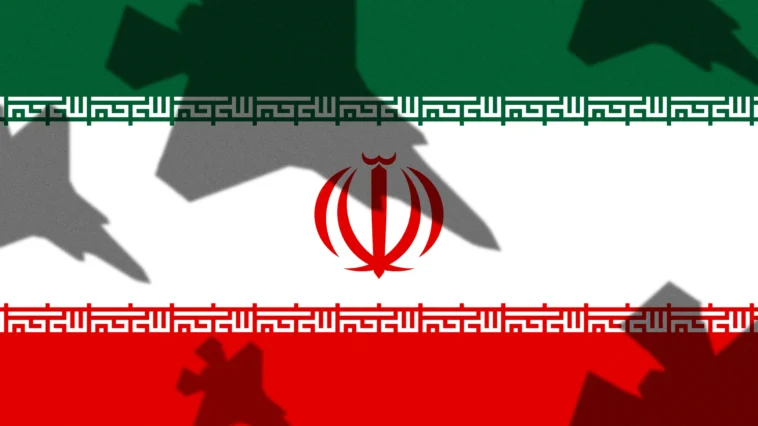
On 28 February 2026, the geopolitical landscape shifted dramatically as the United States and Israel launched a major military offensive against the Islamic Republic of Iran, striking strategic and military targets across the country and triggering immediate reprisals from Tehran. 
It is important to examine the build-up to the present conflict, its unfolding global impact, and the specific consequences for Nigeria from the point of economics and diplomacy to security and public policy while outlining practical steps Nigeria should take and what Nigerians might expect in the coming months.
The Build-Up to the Present Conflict
A Long-Standing Geopolitical Rift
The United States and Israel have for years accused Iran of pursuing nuclear capabilities under the guise of civilian energy programs, while Tehran insists its nuclear ambitions are peaceful. In times past, regional tensions escalated repeatedly as proxy confrontations in Yemen, Syria, and Iraq drew Tehran and Tel Aviv into indirect clashes.
From Diplomatic Strain to Military Confrontation attempts at negotiation faltered amid mutual distrust. Recent months saw heightened U.S. military presence in the Gulf and growing Israeli rhetoric about neutralising perceived existential threats from Iran’s nuclear and missile programs. These tensions culminated in the joint U.S /Israeli strikes on Iranian cities and strategic installations, representing one of the most significant direct attacks on Iran in decades. 
Iran swiftly responded with missile and drone attacks on Israel and U.S. military bases in the region, including in the Gulf states, signalling that the conflict, far from a contained military exchange has broad regional dimensions. 
Global Implications:
Economic Shockwaves
One of the most immediate global concerns is energy market instability:
•Iran sits astride one of the world’s most vital oil export corridors, the Strait of Hormuz. Any disruption to shipping through this chokepoint can cause oil prices to spike sharply. Global markets are already pricing in this risk, with analysts warning of renewed inflationary pressure on local economies worldwide. 
•A protracted conflict could curtail crude output, constrain supply, and trigger volatility across commodities and financial markets, with knock on effects on developing economies like Nigeria. 
Diplomacy, Alliances and Global Polarisation
The conflict has further tested international alignments:
•Russia condemned the U.S/ Israeli strikes as unprovoked aggression, highlighting the potential for a wider diplomatic rift between major powers with competing interests. 
•The United Nations and various countries have called for urgent de-escalation, reflecting broad anxiety that the conflict could ignite larger regional wars involving Saudi Arabia, Turkey, Iraq, and others.
Humanitarian and Security Costs:
Casualties and civilian displacement are already mounting. Reports of significant loss of life, including children in educational institutions struck by bombs, have heightened humanitarian concerns, while millions may be pushed into displacement if the war expands. 
How the Conflict Can Impact Nigeria:
Economic and Inflationary Pressures
Nigeria’s economy remains heavily influenced by global energy markets:
•A spike in global oil prices often benefits Nigeria’s revenue in theory, as the country’s export earnings are oil linked. However, structural challenges like comatose national domestic refineries mean that Nigeria cannot easily capitalise on higher oil prices. Instead, fuel becomes more expensive domestically, exacerbating cost-of-living pressures and inflation. 
•High international energy costs translate into increased transportation and production expenses, pushing up food and commodity prices nationwide, compounding existing inflationary pressures.
Trade and Supply Chains
Even outside the energy sector, Nigeria’s import-dependent supply chains, especially for refined petroleum, building materials, and industrial inputs are susceptible to disruptions in global freight and logistics, which become increasingly expensive or erratic during geopolitical crises.
Thoughts on Diplomatic Tightrope
Nigeria maintains diplomatic and trade relations with both Iran and Israel:
•The country has historically balanced its foreign policy, often advocating for peaceful resolution and dialogue. However, global alignment pressures from powers like the U.S., China, and Russia mean Nigeria risks diplomatic strain if it is perceived as taking sides. 
•Nigeria’s insistence on restraint and diplomatic engagement reflects its broader commitment to peaceful conflict resolution, but this posture may be tested amid heightened geopolitical expectations if the war excalates further
Safety of Nigerian Citizens Abroad
With escalating violence, the Federal Government has issued security advisories urging Nigerians in Iran and in neighbouring Gulf nations to exercise extreme caution, avoid strategic flashpoints, and cooperate with local authorities for their safety. Nigerian diplomatic missions are on high alert to assist citizens with consular support. 
Although no Nigerian casualties have been reported so far in earlier phases of this broader conflict, ongoing escalation keeps diaspora safety a priority concern. 
What Steps should Nigeria Take to Safeguard itself:
Economic and Energy Strategy
•Fast-track the rehabilitation and full operation of domestic refineries to reduce dependence on imported finished petroleum products, improving energy security and lessening vulnerability to global price shocks.
•Diversify the economy by reducing reliance on oil revenues and strengthening sectors like agriculture, technology, and manufacturing to build resilience against external economic shocks.
Diplomacy and Peacebuilding
Nigeria should:
•Continue to advocate for cease fire, diplomacy, and multilateral negotiation at the United Nations and within the African Union and Organisation of Islamic Cooperation as platforms for peaceful resolution.
•Use its diplomatic channels to facilitate dialogue between conflicting parties where possible, aligning with broader global peacebuilding efforts.
Protecting Citizens Abroad
•Strengthen consular outreach and emergency repatriation plans for Nigerians in conflict zones.
•Provide timely advisories and support networks for Nigerians in the Middle East to mitigate risk to life and livelihood.
What Nigerians Should Expect
Short-Term
•Increased inflation and higher fuel prices as international energy markets react to conflict risks.
•Continued government advisories and updates on diaspora safety measures for Nigerians in the Middle East.
Medium-Term
•Potential disruptions to trade and imports, increasing costs of goods and services.
•Heightened diplomatic engagement by Nigeria on the global stage, pushing for peace and adherence to international law.
Long-Term
•If global tensions remain high or expand, Nigeria may face lingering economic instability, necessitating bold policy reforms and economic diversification.
•A broader diplomatic profile as a voice for peaceful conflict resolution could enhance Nigeria’s standing in international affairs, while domestic policy shifts could strengthen resilience against future global crises.
Conclusion
The war on Iran represents a seismic shift in global geopolitics, with cascading consequences that stretch far beyond the battlefield. For Nigeria, the conflict is more than a distant war; it is a complex set of interlinked political, economic, and humanitarian challenges. How Nigeria responds both at home and abroad will shape its economic stability, diplomatic identity, and the welfare of its citizens for years to come.