


 News Editor
We live in an age of life imbalances. The headlines tell us daily of a despair that has become ordinary: graduates with first-class degrees hawking in traffic, patients dying because hospital beds are “not available,” families choosing which child eats today. Yet in the same country, the newsfeed also celebrates the newest private jet purchase, the ₦2 billion wedding, the convoy of 30 or more SUVs clearing the road for one man.
This is the moral contradiction of our time: we feed the greedy and abandon the needy.
1. The architecture of abandonment
Hopelessness does not fall from the sky. It is manufactured, created and deployed. Every budget padded with allowances for the powerful is a clinic unbuilt in Gwagwalada. Every contract inflated to satisfy a godfather is a school without chairs in Abaji. Every time we focus on the comfort of the few over the survival of the many, we teach a generation that their lives are negotiable. The needy are not abandoned by accident; they are abandoned by design — by policies, by priorities, by a culture that confuses wealth with worth.
Dangote said it plainly: “Every time you buy a private jet or a Rolls-Royce, that money leaves Nigeria immediately.” But it’s worse than that. Every time public funds are used to feed private greed — through security votes, inflated procurement, or legislative perks — money that should fund PHCs, scholarships and job-creating factories vanishes. The greedy don’t just eat their own food; they eat the seed meant for the next planting season.
2. The psychology of a broken society
When people see leaders and elites celebrated for consumption, not contribution, two things happen. First, the needy lose faith. Why queue for a vaccine when the politician’s child is flown abroad for a cough? Why trust “empowerment programs” when the real empowerment is reserved for cronies? Despair sets in, and despair is the most expensive disease — it kills initiative, births crime, and exports our best minds.
Second, the greedy lose shame. Greed thrives where it is normalized. We clap for the man who donates a borehole with stolen money and ignore the fact that he diverted the dam project. We call it “generosity” when a billionaire shares rice at Christmas, but forget to ask why his factory workers earn ₦30,000 a month. We have baptized excess and orphaned equity.
3. The lie we tell ourselves
The most dangerous defense of this system is the myth of “trickle-down.” Give the greedy more, we’re told, and some will reach the needy. But greed has no tributaries. A man who buys three Rolls-Royces in a recession will not suddenly build a hospital. A system that rewards accumulation without production will never feed the hungry. The needy are not waiting for crumbs; they are waiting for justice — for a fair shot at work, health, and dignity.
4. Reversing the flow
The cure is not envy of the rich, but a new covenant on what wealth is for. Scripture, tradition, and common sense agree: to whom much is given, much is required. Feeding the greedy is unsustainable because greed is bottomless. Feeding the needy is investment because a child educated, a patient treated, a youth employed — that is wealth that multiplies.
So what does reversal look like?
– In government: Budgets that put PHCs before convoys. Procurement that builds factories, not mansions.
– Among the elite: As Dangote pleaded, convert vanity to value. One less luxury car is one more workshop employing 500 youths in Kuje.
– In communities: Traditional rulers, faith leaders, and citizens must stop applauding consumption and start demanding production. The new status symbol must be “How many families eat because of you?”
The final account
Despair, hopelessness, and frustration are not natural disasters. They are the invoice for a nation that chose to feed the greedy and starve the needy. But invoices can be rejected. History will not ask how many cars we drove, but how many lives we lifted.
When the time for account rendering comes, as it surely will, the greedy will bring receipts for things that rust. The needy, if left unaided, will bring nothing — because we gave them nothing to build with.
The question for today is simple: Who are we feeding? Because a nation that abandons its needy will soon discover that even the greedy cannot eat in peace.
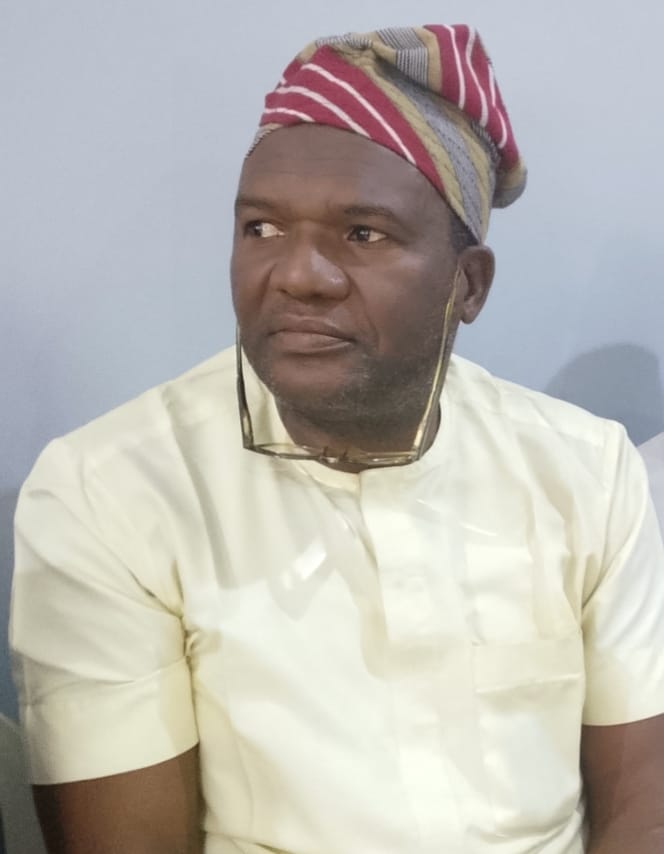
I am Dr Frank Peter Ombugadu still being modest in adding value and substance to the reservoir and storehouse of knowledge and education
Call to donate, sponsor posts or for advert placements on our website.
Tel: +234 815 089 8880.
Thank you!