


 admin
admin
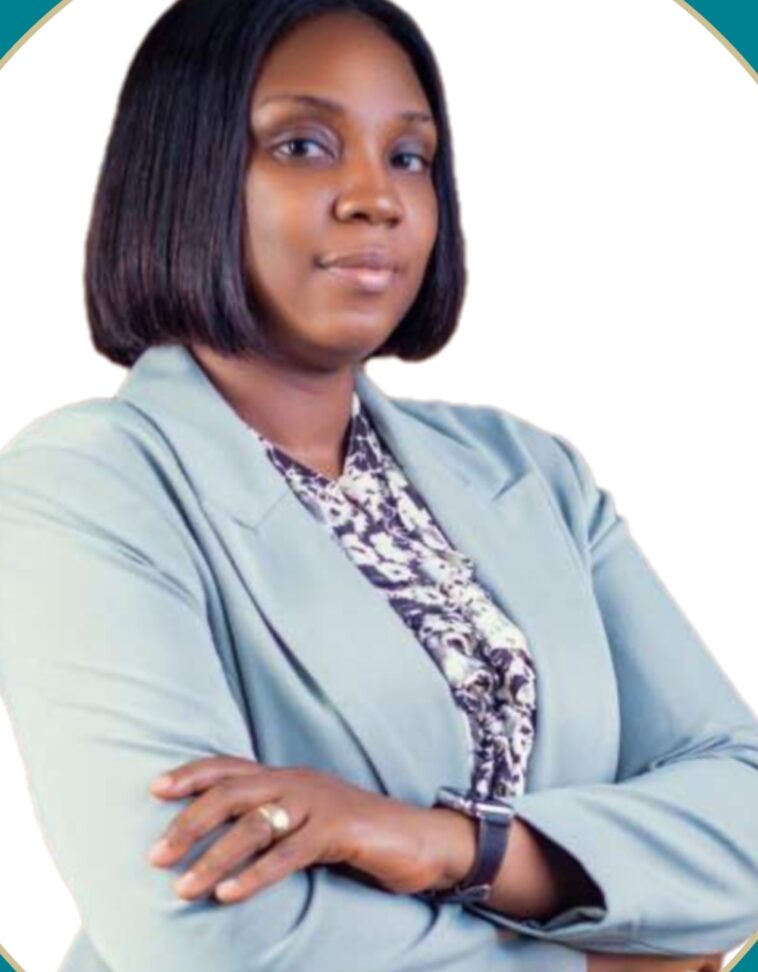
By: Dr. Amina Wesley Omeri- Executive Director, SafePoint and Care Initiative
Protocols observed.
At CSW70, we return to a truth development practitioners have long acknowledged but still struggle to operationalize -women are the fulcrum of development. In resource-based communities, women are not merely a vulnerable group to be protected; they are the convergence point of development outcomes, where health, education, livelihoods, safety, governance, social justice, and community stability intersect.
Plateau State in Nigeria’s North-Central region, is home to about 5.5 million people across 17 local governments and is historically known for its rich mineral resources and long tradition of artisanal mining. In many such resource-dependent communities, economic participation is driven by necessity. While governments continue efforts to regulate and formalize economic sectors, daily realities are still shaped by informality, limited protections, and economic pressure.
Our organization recently conducted Research for Development in resource communities in some Nigeria’s Middle Belt, and the findings were sobering. The social costs of resource economies are disproportionately borne by women, girls, and children.
We documented patterns of gender-based violence and harmful practices linked not only to household dynamics but also to economic structures and power relations. These include school dropout pressures, teenage pregnancy, early marriage, domestic violence, harassment linked to access to economic spaces, and stigma against survivors. Justice systems at the community level often face constraints of insecurity, distance, and limited resources, making protection difficult to enforce.
The central question therefore is not only what is happening in these communities, but how we strengthen the systems that shape these outcomes.
How do we transform economic participation into institutional inclusion?
How do we ensure that communities contributing to national prosperity also benefit from safety systems, education pathways, and leadership opportunities for women?
Three realities stand out.
First, informal economic systems often reinforce existing inequalities.
Second, gender-based violence and harmful practices directly suppress women’s voice and leadership.
When girls leave school, future leaders disappear early.
When early marriage becomes a coping strategy, autonomy is traded for survival.
When teenage pregnancy rises or domestic violence is normalized, civic participation becomes risky.
Social justice is therefore not separate from leadership; it is the condition that makes leadership possible.
Third, women’s participation in artisanal mining communities, though rarely wealth-creating, is economically significant. It contributes directly to food security, school fees, and household stability. The policy priority is therefore not to question women’s livelihoods but to strengthen inclusion, safety, financial access, and pathways for economic progression.
If social justice is the foundation for leadership, then four shifts are necessary:
First, make protection systems measurable and enforceable. Community reporting mechanisms, adolescent-friendly services, and survivor protection must be resourced and monitored.
Second, treat school retention as both a social justice and economic strategy. Household support systems, enforceable re-entry policies, and school-to-skills pathways are essential to prevent children from leaving education for survival.
Third, formalize informal economies for safety and dignity. Safer working standards, support for women’s cooperatives, and transition frameworks away from child labour must become policy priorities.
Finally, embed women in decision-making through mandated representation. Women must be structurally integrated into oversight bodies, community development platforms, and governance structures.
Leadership must be codified, not voluntary.
Let CSW70 reaffirm that social justice in resource communities is not optional. When protection systems function, children remain in school, informal economies become safer, and women are structurally represented, leadership ceases to be aspirational and becomes transformative.
Thank you.
Call to donate, sponsor posts or for advert placements on our website.
Tel: +234 815 089 8880.
Thank you!