



 News Editor
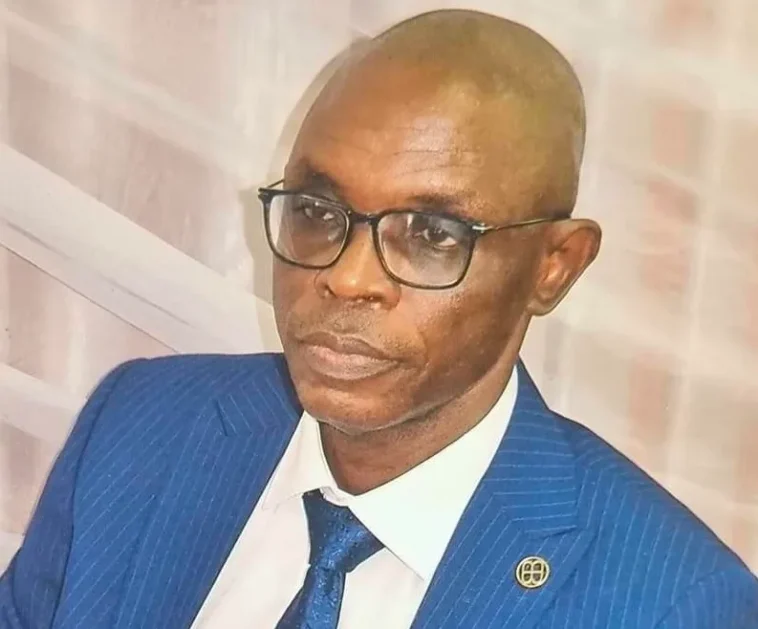
Lasisi Olagunju’s Monday Lines is classic Lasisi: historical, literary, Yoruba-proverb-laced, and deliberately provocative. He uses sport as metaphor to diagnose Nigerian politics. Here’s the breakdown:
1. The Core Metaphor: Politics as Combat Sport
Olagunju draws 3 parallel “coaches” for Tinubu’s politics:
1. Idi Amin’s Boxing Creed: “Don’t win on points, knock them out.” = No room for close contests, legal technicalities, or draws. Victory must be total, undeniable.
2. Bulldog Brower’s Wrestling: Fight fair or dirty, but leave with your hand raised. = Theatrics, psychological warfare, attack the manager not just the opponent. The crowd wants spectacle, not justice.
3. 1953 Lagos Boxing Tragedy: “He walked from the ring to the graveyard.” = Warning. When politics becomes a blood sport, there are real casualties: lives, careers, institutions.
His point: Tinubu’s “all is fair in politics” and “you’ll have to fight for it” statements to CBCN fit this mold. Power is not gifted, it is wrestled for.
2. The “Emilokan” Doctrine Becomes Statecraft
From 2023 campaign slogan “Emilokan – It’s my turn” to 2026 governing creed “It’s still my turn”.
Olagunju argues Tinubu sees the presidency like the Borgu war mantle + Lagos sea goddess charm: permanent, not “brief authority.”
The jab: “The man who whispers ‘just the tip’ in bed” — promises of one term don’t survive contact with power. He predicts a long haul, not an exit in 2027.
This is Olagunju saying: don’t expect restraint. Expect an incumbent who will use all structural advantages.
3. The Most Explosive Charge: Certifying the Referee
This is the paragraph that will dominate discourse:
“The opportunities are equal. INEC is neutral…” — said by the contestant himself.
Olagunju invokes nemo judex in causa sua — no one should be judge in his own cause.
In football/wrestling, the player doesn’t vouch for the referee. Doing so before the match starts creates suspicion.
His warning to opposition: expect “turbulence.” The incumbent has office, federal machinery, money, security, and now, rhetorical cover for INEC. The fight won’t just be the one you see.
The Bulldog Brower vs Mighty Igor 1975 story is the lesson: Igor won the crowd but lost the belt because he broke rules chasing the villain. Opposition, beware traps.
4. The Hunger Rebuke
Olagunju is harshest here.
Tinubu’s line to bishops: “There had been hunger in Nigeria before I was born.”
Olagunju reads this as: hunger is framed as a historical constant to be endured, not an emergency to be defeated.
He then contrasts it with both Bible Matt 25:35, Isaiah 58:10, James 2:15 and Quran Surah Al-Insan 76:8, Al-Balad 90:14, Al-Ma’un 107:1 — all command feeding the hungry.
The implication: religious leaders came to talk welfare, left hearing political war strategy. The Villa is “far from the streets.”
5. Style and Literary Devices
1. Intertextuality: Barthes + Jenkins on wrestling as “morality play.” Shakespeare’s “little brief authority.” Fuji lyric “Ìpàkọ́ ò gboṣùtì”.
2. Yoruba cosmology: ẹni ogun and ẹni oògùn. Steel and sorcery. This frames Tinubu not just as politician but as archetype in Yoruba political thought.
3. Historical anchoring: 1953 boxing deaths to warn that “spectacle” has a body count.
6. What Olagunju Is Really Saying
He is not just reporting Tinubu’s speech. He is issuing 3 warnings:
1. To the President: Power as war will consume even winners. 1953 Lagos is the metaphor. “All is fair” legitimizes the jungle.
2. To the Opposition: Don’t fight like Igor. Don’t get disqualified chasing applause. Expect dirty tricks and structural advantages.
3. To Citizens/Bishops: Democracy is not wrestling. It should be contest of ideas, not “who can knock out who.” And leaders who ignore hunger in the presence of faith leaders are on dangerous ground scripturally.
7. Balance / Counter-reading
A Tinubu supporter would read this differently:
“President is just being realistic. Politics everywhere is competition. He’s warning opponents not to expect a walkover. And on hunger, he’s saying the problem is structural, not created in 2 years.”
Olagunju preempts this with the Fuji line — his fans will say “go report to DPO if you don’t like it.”
Final Take
This piece is less about boxing and more about the moral cost of politics. Olagunju’s fear: Nigeria is sliding from democracy-as-contest-of-ideas into democracy-as-wrestling-spectacle, where the crowd cheers while people are carried out.
The last line is the thesis: “Politics fought as war can consume even its winners.”
It’s a warning, a history lesson, and a sermon all in one.
I am Dr Frank Peter Ombugadu still on at least 3 People Every Day
Call to donate, sponsor posts or for advert placements on our website.
Tel: +234 815 089 8880.
Thank you!