


 News Editor
THE NASARAWA CONUNDRUM AT 30: RECONCILING THE GLITTERING CAPITAL METROPOLIS WITH THE STRANDED RURAL ECONOM
By Ibrahim Nasiru
As the drums roll out across the nation to mark the October 1st Independence anniversary, Nasarawa State is simultaneously celebrating a major indigenous milestone—exactly thirty years since its historic creation from the old Plateau State on October 1, 1996. The state capital, Lafia, has been transformed into a theater of official pageantry, filled with high-profile lectures and state banquets designed to showcase three decades of infrastructural evolution.
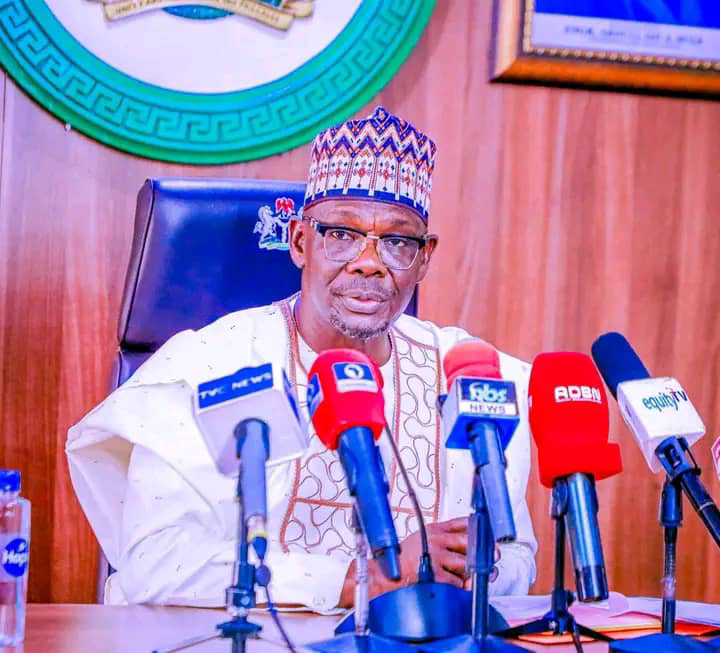
To be fair, the physical transformations within the state are impossible to deny. The current administration under Governor Abdullahi Sule has made undeniable strides, evidenced by the expansive Akwanga-Jos bypass and the grand urban interchanges reshaping the high-traffic Karu-Mararaba corridor.
Yet, a rigorous and honest developmental audit of a state at thirty must look beyond the beautiful layout of a few elite urban networks. True institutional success is not measured by the pristine asphalt surrounding the government house, but by the economic viability and structural health of the furthest rural communities.
When one steps away from the heavily curated project commissioning zones, a starkly different and deeply sobering socio-economic landscape comes into view. Across the vast agrarian expanses of the thirteen Local Government Areas, thirty years of independent statehood have largely failed to guarantee basic human dignity for the grassroots populace.
While multi-billion naira industrial partnerships and cargo airports dominate official press releases, the everyday reality for the average rural farmer is a painful battle against total darkness, broken supply chains, and completely collapsed primary healthcare centers.
It remains a severe indictment on the state’s collective planning history that three decades after its founding, vital agricultural belts remain fundamentally isolated from regional markets due to dilapidated, unmotorable access roads. These rural dwellers, who form the actual bedrock of Nasarawa’s domestic revenue, are effectively stranded in a bygone era—watching their seasonal yields rot away while capital-intensive, elite-centric urban showpieces take funding priority.
Furthermore, this systematic neglect of the periphery has accelerated a critical deficit in localized human capital. The impressive expansion of state-owned tertiary institutions stands in direct, painful contrast to the absolute decay of primary and secondary public schools across the grassroots.
Generation after generation of rural youth are being left behind in classrooms without roofs, desks, or qualified instructors, systematically locking them out of the modern global economy. This widening educational divide creates a dangerous socio-economic vacuum, making the state increasingly fragile and vulnerable to security threats, banditry, and communal conflicts.
Genuine regional unity cannot survive when a rigid institutional border separates an affluent urban center from an abandoned rural interior.
Therefore, as the anniversary flags are raised today, the citizens of Nasarawa must demand an urgent paradigm shift in the architecture of governance.
Thirty years is an adult milestone—an age where a state must outgrow the superficial excitement of mere road-paving and directly confront the deeper structural questions of human capital preservation and rural industrialization.
Governor Sule must deliberately pivot his administration’s focus away from flashy urban monuments and toward a comprehensive, aggressive rural revitalization framework.
Until the wealth extracted from our rich solid minerals directly funds clean water, functional clinics, and motorable roads for the grassroots, the celebration of thirty years of statehood will remain a luxury for the political class, while the true owners of the state languish in the shadows of neglect.
Ibrahim Nasiru
Is A Public Affairs Analyst and Political Commentator
Call to donate, sponsor posts or for advert placements on our website.
Tel: +234 815 089 8880.
Thank you!