


 News Editor
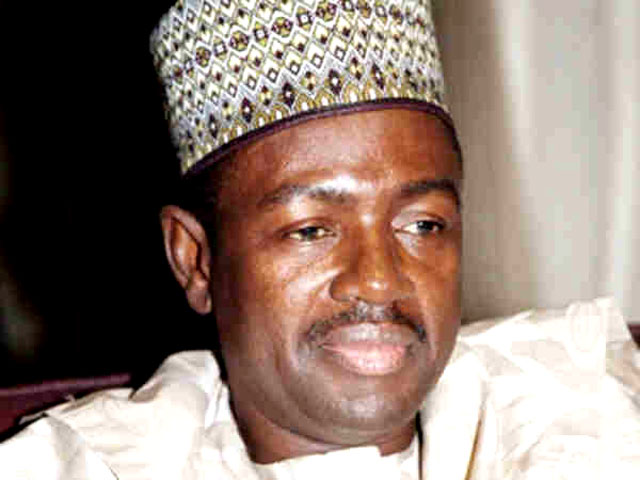
By David Odama
Nigeria’s democratic journey has produced many politicians, many campaigners, and many rhetorician. What remain to be adequately addressed is producing individuals whose lives demonstrate sustained competence in administration, finance, institution-building, and national cohesion predicated on strong character and integrity before seeking political power.
In a nation, community and society such as the Eggon, Mada nations in Nasarawa State burdened by insecurity, economic fragility, elite distrust, and institutional decay begging for revitalization, prominent names such as Labaran Maku, Adamu Ninga who have over the years build integrity, sacrifice their personal interest for the betterment of the society and the people have to recognize, honoured.
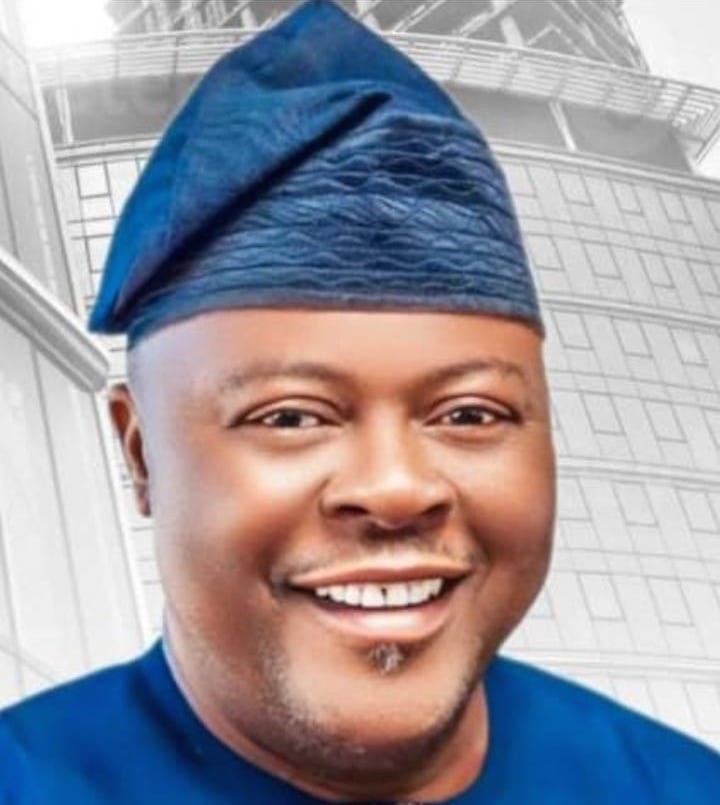
Taking into cognizance the contributions of these eminent sons of Eggon and Mada nations, the question therefore before the people of these communities is who is a better position or deserved to win elections, and who are are better placed to govern and effectively provide the needed governance?
It is within this context that the candidacy of the duos of Labaran Maku and Adamu Ninga deserves serious attention and genuine reflection, and consideration of the June 20th bye election to fill up the vacant senatorial position created following the demise of late senator Godiyia Akwashiki.
As the profile presents something increasingly rare in the two illustrious sons of the Nasarawa North, technocratic statesmen with demonstrable executive experience across the public sector, private enterprise, development institutions, and national policy platforms and the global space. Whether one agrees fully with this prescriptions or not, it is difficult to dismiss the depth of preparation reflected in their records.
The central argument for Labaran Maku suitability for the Nasarawa North senatorial seat is not built around ethnic populism, religious mobilization, or emotional grandstanding. It rests on competence, exposure, discipline, and institution building and patriotism.
At a time when the state especially the Nasarawa North struggles under the weight of policy inconsistency, fiscal instability, weak governance structures, and declining public trust, Maku represents a generation of leaders shaped by unique capabilities in economic management , governance and administration rather than agitation. His career trajectory suggests familiarity with the difficult mechanics of managing complex systems spanning a broad spectrum of sectors, as a journalist of international repute, Deputy Governor, Minister of Information, Defence something the state desperately requires.
His emergence from the old Northern intellectual tradition is particularly significant. Raised in a family rooted in education and public service, educated in institutions of high repute, and refined through elite global executive programmes, Maku embodies a blend of Nigerian and a Nasarawa citizen grounded in international exposure. His coming to represent the yearning and aspiration of the Nasarawa North in the upper chambers of the highest lawmaking body matters because modern governance increasingly requires leaders who understand both local realities and global economic systems.
More importantly, his record shows executive responsibility from an unusually young age. Becoming a renowned media guru, Commissioner, Deputy Governor Minister overseeing the affairs of strategic federal government establishments such as information and defence ministries has not only place him above other candidates who only remember their constituents during elections, but gave him an age to represent his people not as a ceremonial leader. Senatorial seat required strong leadership
skills, strategic planning expertise, hard work, discipline and the ability to coordinate the operations of a behemoth institution operating in multifaceted sectors of the economy. Likewise, his transformation remains one of the more compelling turnaround stories in the history of Nigerian public service management
Nasarawa today does not merely need political charisma. It also needs managerial acumen. The tragedy of Nasarawa state is that politics has often overshadowed governance. Electoral success has too frequently become disconnected from administrative competence.
Yet the demands of modern statecraft demand deft management, the energy and dynamism to embark on robust reforms in such areas as the economy, human development, security architecture,digital transformation, and internal economic diplomacy. They require systems thinkers, such as the former deputy Governor, Minister and host of other positions held and excel.
Maku’s ideal of governance reflects the modern orientation, cutting across governance, economic diversification, industrialization, MSME development, education reform, digital innovation, healthcare restructuring, and security integration, there is evidence of structured policy thinking rather than improvised populism.
Particularly noteworthy is his emphasis on governance culture. His repeated focus on transparency, meritocracy, e-governance, decentralization, and institutional accountability suggests awareness that Nasarawa’s greatest crisis may not simply be lack of resources, but failure of systems.
Equally compelling is his economic orientation. Unlike purely ideological politicians, Labsran Maku and Adamu Ninga appears grounded in practical governance tailored towards the overall interest of the people. His emphasis on financing, digital innovation, and infrastructure development reflects a broad understanding of how state, community and the people should be practically involved.
Maku’s recognition that unemployment fuels insecurity is particularly important. The state and the community cannot sustainably defeat insecurity while millions of young people remain economically stranded.
His, vision for Nasarawa especially the Nasarawa North resonates with an important but neglected reality that the state and the senatorial district cannot consume its way into prosperity. It must produce.
Critics may reasonably argue that technocratic brilliance does not automatically translate into political success. Senatorial is not merely an economic office; it is a deeply political institution requiring coalition management, political stamina, electoral machinery, and grassroots mobilization.
That criticism may be fair. However it is noteworthy that The former deputy Governor of the state is no stranger to politics as he competed vigorously for the governorship ticket of the APGA in the state.
Another significant dimension profile of Hon. Maku is his apparent pan-Nigerian outlook. In an era where identity politics threatens national cohesion, his emphasis on unity, bridge-building, and detribalized leadership carries weight. Nigeria’s survival may ultimately depend on leaders who are capable of transcending ethnic anxieties while still respecting cultural diversity
Nasarawa North especially at this pivotal moment requires leaders who have deep seated knowledge of applied economics and financial engineering as a basis for dealing with the challenges of poverty, unemployment and cost of living crisis.
A leader with a demonstrable record of promoting social cohesion, peace and stability, and justice. Leaders who can engage global capital without surrendering national interest. Leaders capable of restoring trust in public institutions.
Call to donate, sponsor posts or for advert placements on our website.
Tel: +234 815 089 8880.
Thank you!