



 News Editor
In 1988, an Italian Company Reportedly Shipped Approximately 3,800 Tonnes of Hazardous and Toxic Industrial Waste, Packed in Over 2,000 Drums, Sacks and Containers, and dumped them in the Innocent Community of Koko, in Present-day Warri North, Delta State.
That Incident became a Painful Symbol of how Vulnerable Communities can be Exposed to Dangerous Decisions Made Without their Consent.
Today, Alago Land appears to be Facing a Different but Equally Troubling Pattern of Decisions that Threaten its Identity, Heritage, and Future.
It is Increasingly Difficult for Alago People to Ignore the Disturbing impression that their Land is being Treated as a Testing Ground for Controversial Government Programmes, Experimental Policies, and Projects that other Communities are Unwilling to Accept.
Recall the Federal Government’s Proposed RUGA (Rural Grazing Area) Programme?
The Ruga initiative was designed to establish settlements for Fulani Pastoralists, with facilities such as housing, ranches, schools, police posts, and healthcare Centres, among other basic amenities.
Across Nasarawa State, the programme Generated considerable fear, distrust, and resistance in many communities.
Yet, amid the controversy, Alago-speaking areas, including Keana, Doma, Assakio, and Obi, became associated with its Proposed implementation.
Although the Programme did not Ultimately achieve its intended objectives, one fundamental question remains: What would have happened if it had Succeeded?
Would the establishment of such Settlements not open the door for Future Demands for Traditional institutions within the Ancestral Territories of Alago Communities?
Will we not Eventually Face Demands for Traditional Stools such as Emir of RUGA in Doma, Keana, Obi, or Owusakyo in Future?
These are not Questions to be dismissed lightly.
They are Concerns about the Possible Long-term Consequences of Policies Introduced into Indigenous Communities without Sufficient Attention to their Historical Identity, traditional institutions, and Land rights.
Today, Alago People are confronted with Another Deeply Troubling Development:
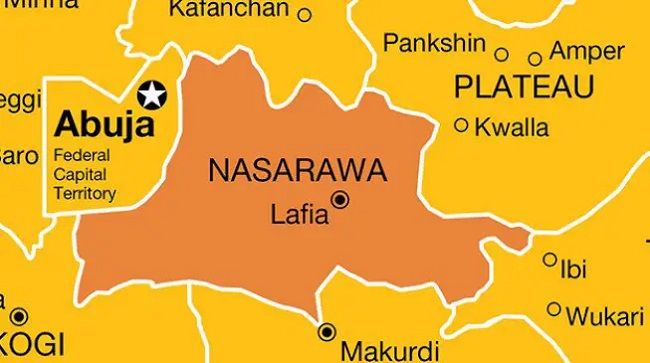
The Reported move by the Nasarawa State Government to Create a Chiefdom within Territories already Governed by Existing Alago Traditional Institutions.
Why Must Alago Land Continually Find itself at the Centre of Policies and Decisions Capable of generating Controversy, Uncertainty, and Conflict?
Why should the heritage of an indigenous people become a subject of experimentation whenever a New Political idea or Administrative Arrangement Emerges?
Alago people deserve the same consideration, respect, and protection afforded to every other indigenous community in Nasarawa State.
Our Ancestral land is not an Empty Space Awaiting New Identities, and our Traditional Institutions are Not Obstacles to be Rearranged at the Convenience of Political Interests.
We believe in peaceful coexistence.
We support development, fairness, and constructive engagement with every community.
But Peace must Never be Mistaken for Weakness, and our Commitment to Harmony must Never be Interpreted as Consent to Decisions that could undermine our collective heritage.
The lessons of history should guide us. Policies that affect indigenous land, identity, and traditional institutions must be approached with transparency, genuine consultation, respect for established institutions, and strict adherence to the law.
Alago people have endured Enough Uncertainty over the Future of their Land and Heritage.
We Cannot Afford to Remain Silent while Decisions with Potentially Far-reaching Consequences are Contemplated over our Ancestral territory.
Let those in Authority Understand that the Alago People Desire Peace, justice, dignity, and a Future in which their identity is respected, not Compromised.
Enough is Enough!
Call to donate, sponsor posts or for advert placements on our website.
Tel: +234 815 089 8880.
Thank you!